
Gambling Commission
From selling personal data and identity theft to promoting gambling to vulnerable players, these safety regulations are important. You should play at licensed casino sites to have a secure, fair, and responsible experience. See how we rate the sites, how casino regulation works, how you can verify the licence yourself. He’s passionate about online gambling and committed to offering fair and thorough reviews.
However, as set out in the white paper, there are concerns that ‘cash-out’ slot-style machines share similarities with higher stake machines, restricted for adults. Currently, both types of slot-style machines can legally be played by under-18s. ‘Cash-out’ slot-style machines have a maximum stake of 10p and a maximum prize of £5, while ‘ticket-out’ slot-style machines have a maximum stake of 30p and an equivalent of a prize worth up to £8. There are two types of Category D slot-style machines, one that pays out a small amount of cash, and one that pays out tickets which can be exchanged for a small prize, toy or sweet.
Edit this dataset
This will ensure that gaming products, such as single-player games in which the player presses a switch or button, or pulls a plunger or lever, to release a ball or set of balls cannot count towards the machine to table ratio. We will amend these regulations so that gaming tables where staff are not present and the player operates or controls the gaming apparatus are also excluded for these purposes. Therefore both wholly automated gaming tables and table games of equal chance do not attract any gaming machine allowance for the purposes of meeting the machine to table ratio. Furthermore, the regulations stipulate that real equal chance gaming tables (e.g. poker) are not considered as gaming tables for the purposes of section 172(3) to (5) of the Act. In updating this ratio, we intend to amend the definition of “gaming table” for the purposes of section 172(3) to (5) of the Gambling Act 2005 so that only tables where the apparatus is controlled or operated by casino staff count for the purposes of the ratio.
Robust AML casino laws safeguard the industry’s integrity. Staff must be trained to spot these signs, and operators face fines or license loss for failing to report. These steps deter money laundering and protect against underage gambling, ensuring a secure environment for all players. Independent bodies like eCOGRA test RNGs and ensure games meet casino compliance standards. Tools like self-exclusion programs allow players to block themselves from gambling, while deposit and time limits help manage spending. This legislation governs every aspect of casino operations, from game mechanics to player interactions, and non-compliance risks hefty fines or license revocation.
However, the way that British legislation addresses gambling is to set up a whole series of criminal offences and then provide that the possession of the appropriate licence is a defence. Are there any specific licensing or operational requirements for operators accepting digital currencies (including cryptocurrencies)? Multi-operator self-exclusion schemes are in place to allow consumers to self-exclude from multiple gambling premises in Great Britain. Since 28 February 2025, remote operators have been required to undertake financial vulnerability checks once a customer’s net spend exceeds £150 in a rolling 30-day period.Operators are expected to have in place measures to detect self-excluded persons who might wish to re-register using different details.
Please share any evidence or information that is relevant to the proposed amendment to the definition of gaming tables since the government stated its intention to make this change in 2018. Neither partially automated nor wholly automated gaming tables, including products such as pinball roulette, will count as ‘gaming tables’ for these purposes. The customer demand for 40 gaming tables does not exist, which can mean that a number of tables are sited but never used. This clarifies that wholly automated gaming tables are not gaming tables for the purposes of section 172(3) to (5) of the Act. The Gambling Act 2005 (Gaming Tables in Casinos) (Definitions) Regulations 2009 makes provision as to how references to “gaming tables” should be interpreted in this context. (Mandatory response)Large increase in demand / Small Increase in demand / No change in demand / Small decrease in demand / Large decrease in demand / I don’t know
More information is available in the consultation response on proposals for changes to Gambling Commission fees (opens in new tab). By checking license details and only playing at trusted sites, such casino not on gamstop as those we recommend, you can enjoy peace of mind knowing the casino is properly regulated and your rights as a player are protected at all times. The UK Gambling Commission demands extremely high standards of fairness, responsible gaming measures, and player protection. We suggest that you choose from our list here at TopRatedBingoSites, as we are careful to only recommend sites that are properly regulated and compliant with all UK gambling laws. Clicking this link should take you directly to the casino’s profile on the UKGC Official Register, where you can verify the license number, trading names, and any conditions or sanctions in place.
The outcome of that consultation is not yet known.An “economic crime levy” is payable by entities that are regulated for anti-money laundering purposes (currently only casinos in the UK) and which generate more than £10.2 million in UK revenue. This process of formal review – Section 116 of the Gambling Act 2005 – can result in almost any sort of penalty from the regulator, including suspension and revocation of licences. The Gambling Commission also has powers to launch criminal investigations and bring criminal proceedings against companies and individuals (and, as at the time of writing, there is a live prosecution brought by the Commission against a company for providing unlicensed gambling facilities to consumers in Britain, illustrating the Gambling Commission’s willingness to exercise such power). Personal licences tend to have a five-year duration and must, however, be renewed. This distinction cannot be ignored, and the regulator has no power to grant a licence that authorises both remote and land-based activity.
We do not currently have sufficient data to estimate the likely uptake of additional machines by casinos. We estimate that most of the remaining casinos would also be able to benefit from increased machine allowances, proportionate to their size and non-gambling area. Should access to a greater number of gaming machines require compliance with each of the three size requirements outlined above?
The application fees are assessed pursuant to a somewhat complex online calculation engine on the regulator’s website. There are numerous charitable lottery operators that operate under certain regulatory constraints. On 1 February 2024, the Gambling Commission granted Allwyn Entertainment Ltd a 10-year licence to operate the National Lottery, replacing the previous licensee Camelot. Persons wishing to enter the British land-based casino market have typically purchased existing businesses. There are no tender or bidding processes, other than in the occasional case of land-based casino franchises being proposed.
Look for the UK Gambling Commission Logo
Licensing authorities are given the power to decide not to issue further casino premises licences in their area. 428.Applications for premises licences must be made to the licensing authority in whose area the premises are wholly or partly situated; and must be in the prescribed form and manner, accompanied by the prescribed fee. 409.This section describes, in subsection (1), the premises licences that may be issued by a licensing authority. 408.Part 10 contains provisions concerning gaming machines, and the categorisation of machines by the Secretary of State.
- Let’s find out more about online casino banking, gambling regulations, and responsible gambling in the UK.
- As outlined in the white paper, it is our intention to bring greater coherence to the licence system by allowing 1968 Act casinos of a certain size to have the same gaming machine allowance as Small 2005 Act casinos.
- Respondents were in favour of venues having to comply with all of the sliding scale requirements in order to increase their gaming machine allowances.
- However, due to the lack of substantive research or evidence clearly identifying harms resulting from general Category D machines, we do not support a ban on children accessing other Category D machines, such as those that pay out in tickets, crane grabbers or coin pushers.
What are my data protection rights?
Yet it remains the gold standard for European operators. The UK Gambling Commission operates one of the world’s strictest licensing regimes. Always verify licence details on the official Gambling Commission website.
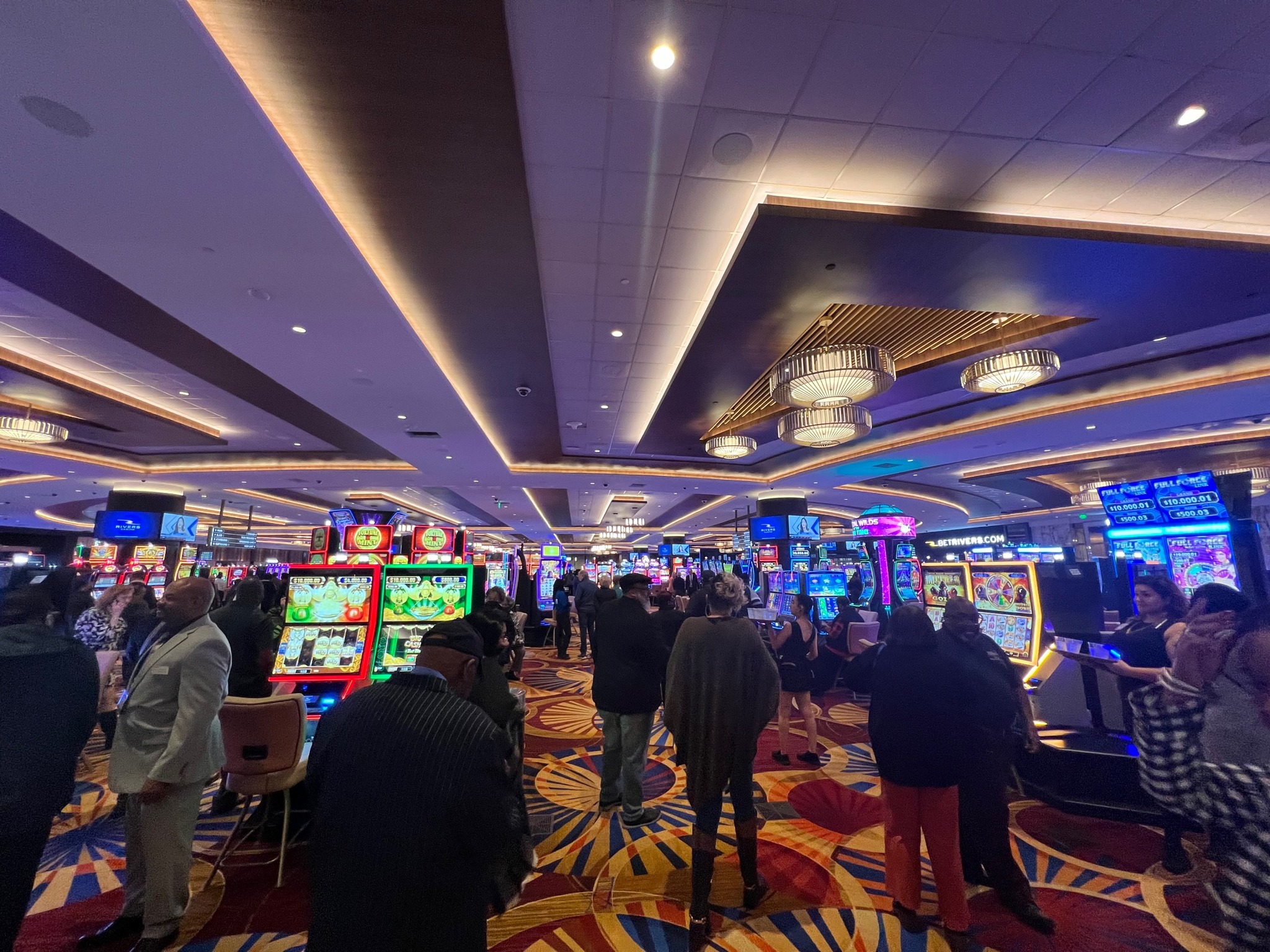
“larger converted casino premises” means premises in respect of which a converted casino premises licence has effect, and which— In fact, being part of the GamStop self-exclusion scheme is mandatory for all UK-licensed online operators. Rawa Kaftan is a regulatory lawyer in Wiggin’s Betting & Gaming team and advises key stakeholders in the gambling industry, including many of the world’s largest online B2C operators, software suppliers, payment service providers and investors. Finally, in June 2025 the UK Government announced that it plans to introduce a “Voluntary Code” for prize draw operators whose offerings do not require a licence under the gambling framework because of the presence of a free entry route.
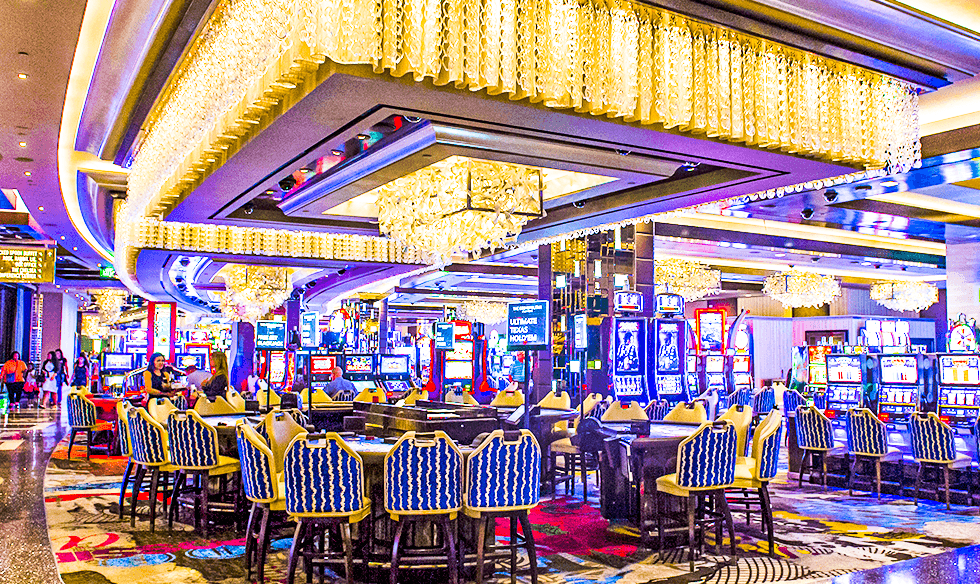
The sliding scale will also ensure that there remains a link between gambling space and betting terminals so that the electronic offering in a casino does not overwhelm the live table offering. Respondents in favour of sports betting pointed to evidence of casino customers placing sports bets via mobile devices while in casinos, with casinos being an environment in which people habitually watch sport. It was also suggested that customers who do not normally engage in sports betting online may be encouraged to do so via availability in a casino. Those opposed to sports betting in casinos suggested that a broader range of products makes it easier for gamblers to move from activity to activity, upscaling losses and potential harms. An identical proportion of respondents thought sports betting should be permitted as shouldn’t be permitted in land-based casinos, with a small number selecting ‘I don’t know’. This is viewed as a more proportionate table gaming area compared to other floor space requirements, and will ensure parity with 1968 Act casinos.
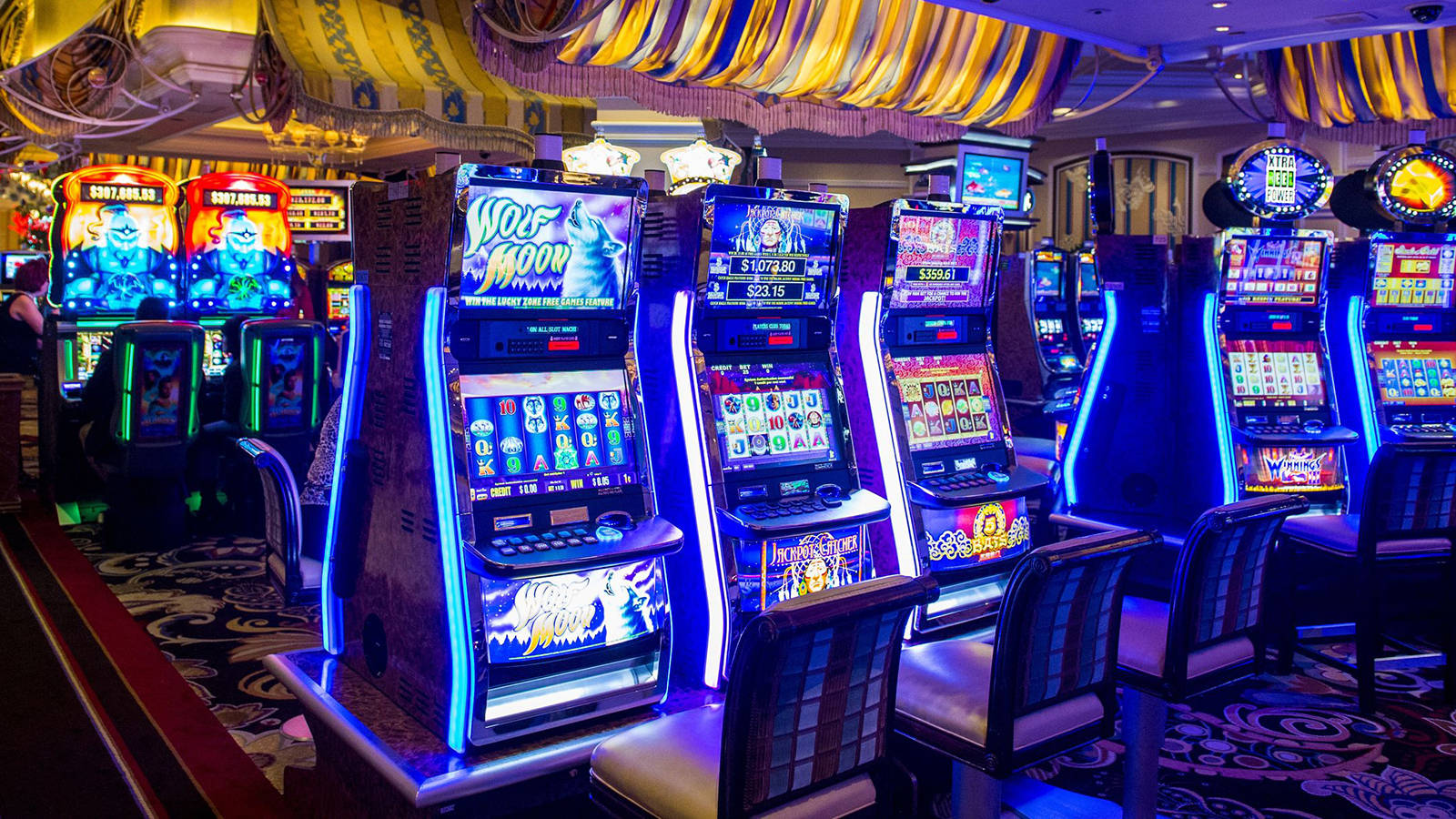
Small 2005 Act casinos will also experience a reduction in their required minimum table gaming area, from 500sqm to 250sqm. Despite respondents indicating a preference for venues to be made to reduce their gambling area, we think this is a fair exemption for the small number of casinos that it will apply to. The exemption for these casinos will apply from 16 May 2024 (the date on which the consultation response was published) and take account of any already submitted expansion plans. With regard to casinos that currently operate with a gambling area of 1500sqm or more, these casinos will be permitted to remain open with their current gambling area. When asked about the reduction in minimum table gaming area in Small 2005 Act casinos from 500sqm to 250sqm, more respondents were in favour of this being applied than opposed. A fairly even number of respondents were for and against the 12.5% rule applying for 1968 Act casinos, whereby any table gaming area would only count towards the minimum table gaming area if it constitutes 12.5% or more of the total table gaming area in the venue.
The majority of responses stated that there should be the ability for customers to set voluntary limits on gaming machines accepting direct cashless payments. The vast majority of responses to the consultation agreed that card account verification should be required if direct debit card payments are permitted on gaming machines. We propose to align the lifting of the prohibition on direct debit card payments on gaming machines and the introduction of player protections within regulations with the Gambling Commission’s review of the Gaming Machine Technical Standards.
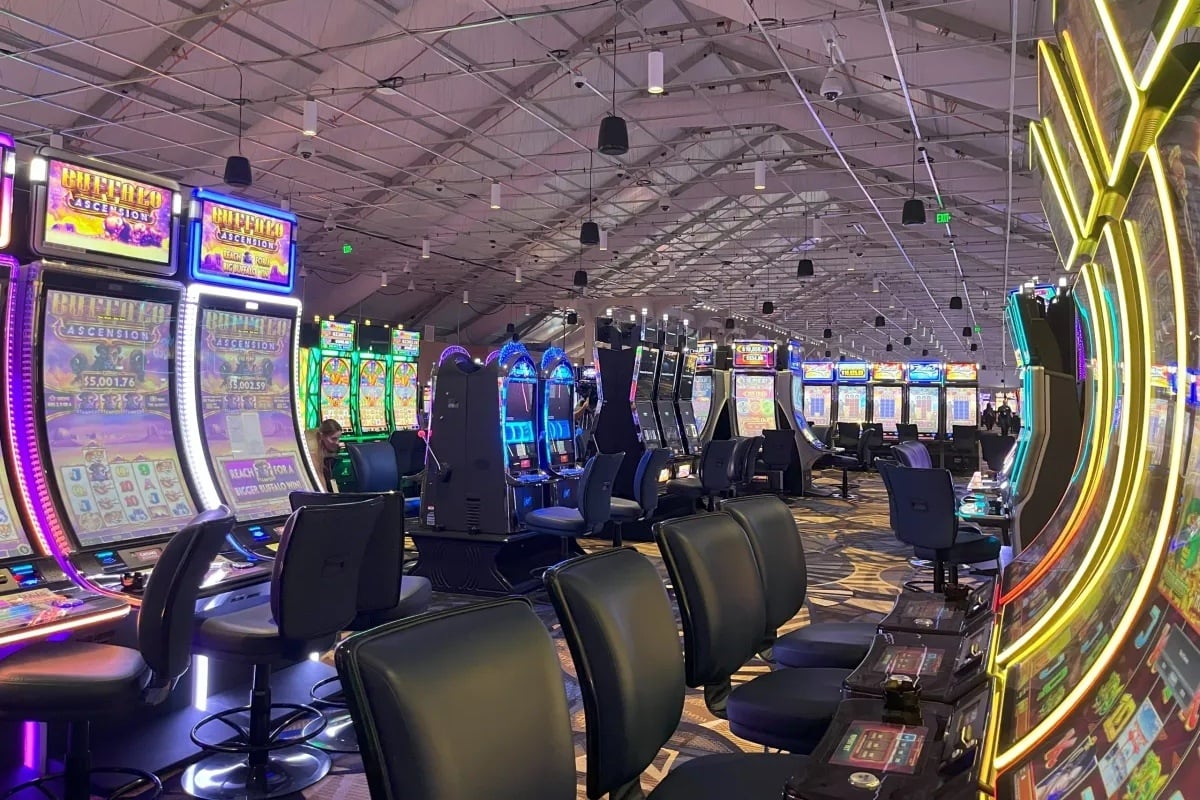
A non-licensed casino can’t legally accept UK players, and can not advertise their games to British players. All UK casino sites that operate legally in the UK are licensed. Licensed casinos are obligated to be transparent in their operations, including clear terms and conditions, bonus guidelines, and withdrawal policies.
However, there is no uniformity across land-based machines as a whole. The cooling-off periods require players to temporarily take a break before continuing their session on that gaming machine. There are existing limits which can be set on machines, as well as cooling-off periods for when these limits are hit. Should there be a minimum transaction time for customers making a cashless transaction on a gaming machine? Category D machines currently do not have a committed payment limit. These are £10 for Category B1, B2, B3 and B3A machines, and £5 for Category B4 and C machines.
For instance, the Commission has demonstrated a willingness to initially engage with those that operate (without a licence) offerings that have hints of licensable products before requesting that such entity either apply for and obtain a licence or prevent consumers in Great Britain from accessing such offering, whilst making clear that to continue doing so may amount to an offence under the Gambling Act 2005. The British regulatory authorities have taken something of a global lead in the enforcement of regulation, particularly in relation to “source of wealth” and “proceeds of crime” omissions and also failures in social responsibility obligations owed by operators to players. That said, non-gambling services are generally carved out of this wide net – payment processing, marketing affiliates and other ancillary services such as fraud prevention and age verification are per se not regarded as “gambling”.
UK licensing demands preparation. Our ultimate gaming license guide compares timing and requirements across jurisdictions. Annual fees start at £3,155 for basic remote licenses. Getting licensed is the easy part. Approved operators receive their license certificate and unique license number.